Islamabad and Kabul trade deadly blows as border tensions erupt into open war
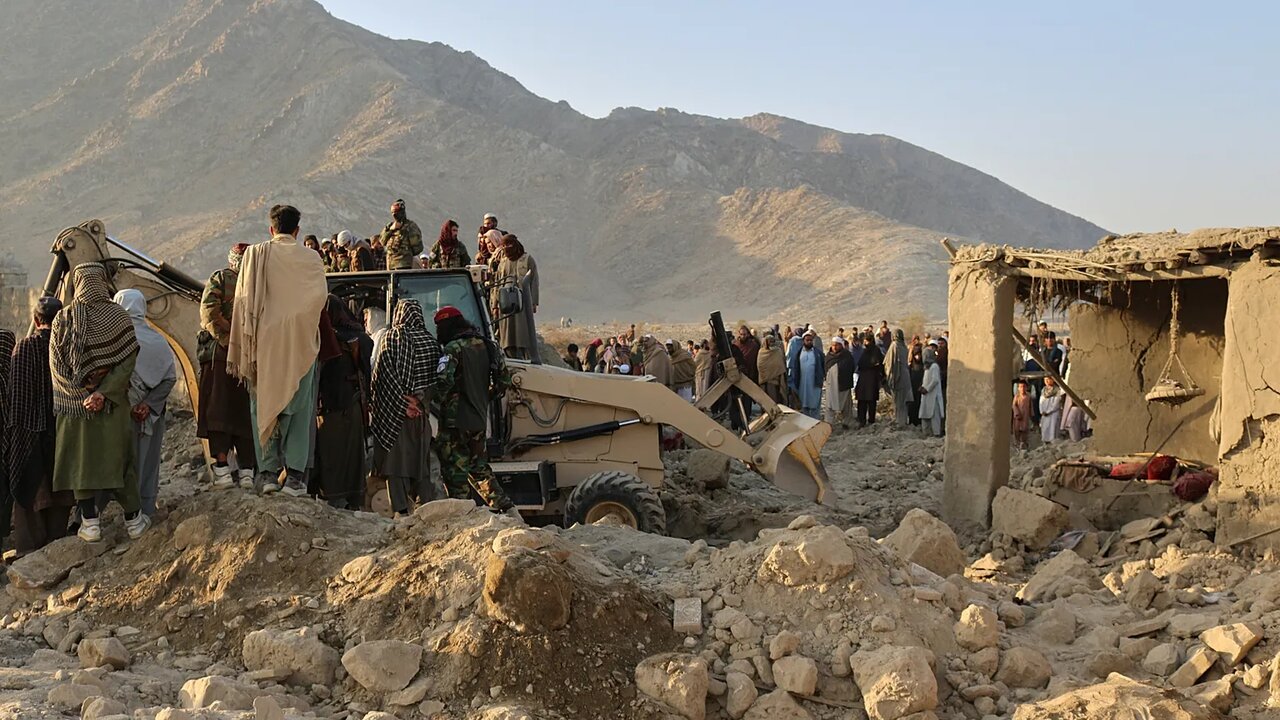
TEHRAN — Relations between Pakistan and the de facto authorities in Kabul plunged into a state of open conflict Friday as Islamabad declared “open war” following a massive wave of airstrikes on Afghan targets.
The escalation, which included strikes on the Afghan capital Kabul, represents a critical breakdown in regional stability after months of volatile border skirmishes and accusations of state-sponsored militancy.
The military offensive, dubbed Operation Ghazab Lil Haqq or “Righteous Fury,” was launched late Thursday in response to what Pakistani officials described as a large-scale offensive by fundamentalist forces along the disputed Durand Line.
Defense Minister Khawaja Asif, stating that Pakistan’s “cup of patience has overflowed,” signaled a move toward full-scale hostilities.
Islamabad claims the strikes hit 22 locations, including ammunition depots and military installations in Kabul, Kandahar, and Paktia.
According to Pakistani military reports, the operation killed 274 militants and officials, while 12 Pakistani soldiers were lost in the exchanges.
Pakistan maintains these actions are a direct reprisal for a February 6 suicide bombing at an Islamabad mosque, which it blames on the Tehrik-i-Taliban Pakistan (TTP) operating from Afghan sanctuaries.
The Taliban presented a sharply different account, characterizing the airstrikes as “cowardly” violations of sovereignty.
Spokesman Zabihullah Mujahid asserted that Afghan forces had successfully repelled border incursions, claiming the deaths of 55 Pakistani soldiers and the seizure of several frontier posts—assertions Islamabad has categorically denied.
Kabul officials further alleged that the Pakistani strikes targeted civilian infrastructure in Nangarhar and Paktika, resulting in numerous non-combatant deaths.
While expressing a preference for dialogue, the Taliban warned that further aggression would meet a “stronger and more decisive response.”
The conflict has been mirrored by a fierce information war online. Geolocated videos showed plumes of thick black smoke rising from the Kabul skyline and intense tracer fire illuminating the mountain passes of the border.
However, independent analysts have moved to debunk several viral clips, including one purportedly showing a downed Pakistani F-16 fighter jet, which was identified as doctored footage.
The roots of the crisis lie in the long-standing dispute over the 1,600-mile border and Islamabad’s frustration with the Taliban’s alleged refusal to curb TTP activities.
International alarm has grown rapidly, with the United Nations and China calling for an immediate ceasefire. While Iran and Qatar have offered to mediate, India condemned the strikes over reported civilian harm, and the United Kingdom urged maximum restraint.
As of Friday night, neither side had signaled a retreat, leaving the region on the precipice of a broader humanitarian and security disaster.
Leave a Comment